
How to Read a Medical Astrology Report: Health Cusps, Tridosha and Timing
17 November 2026
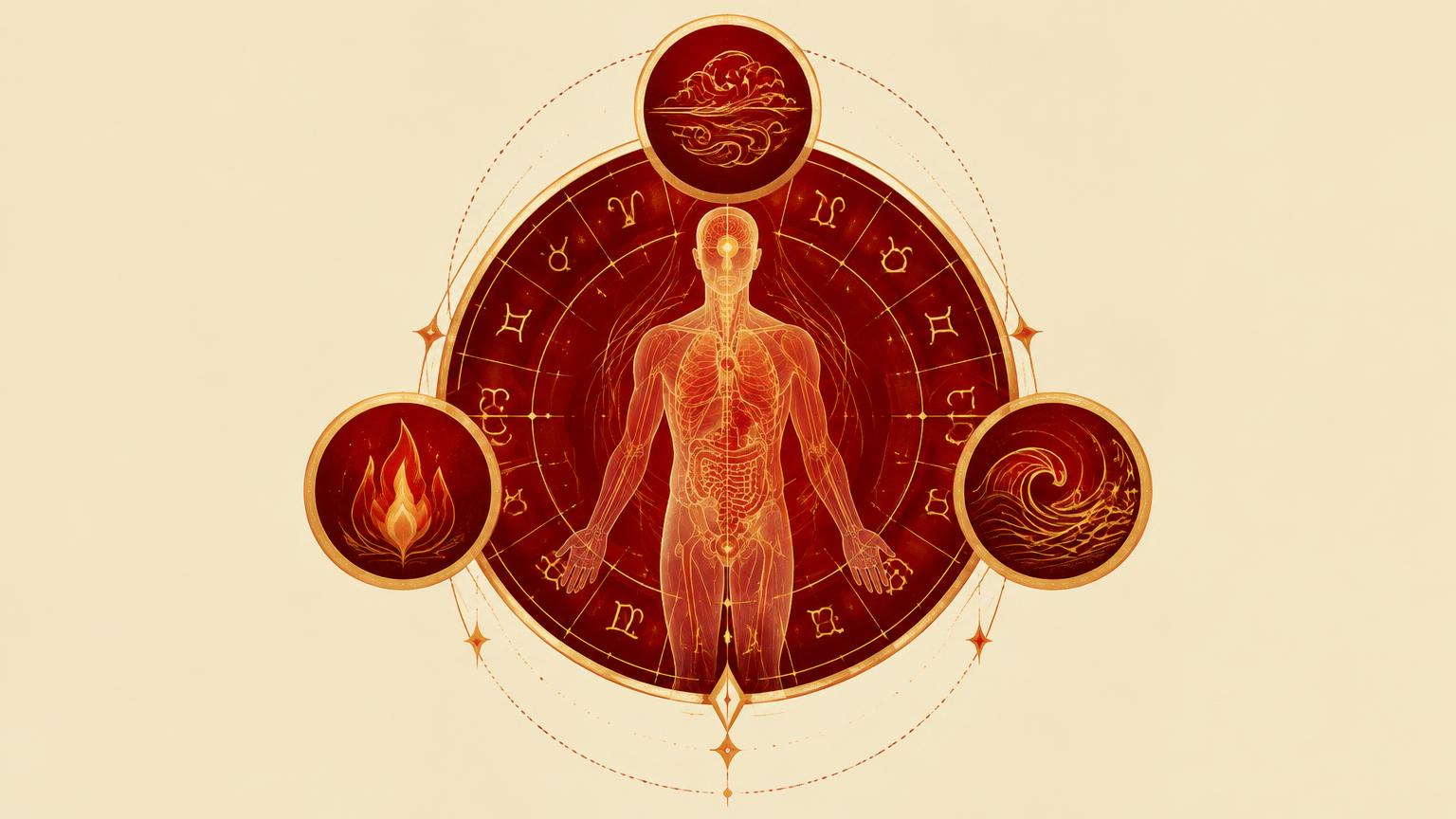
A medical astrology chart is a way of organising old classical indications about the body, not a test result. Astrometry’s Medical Astrology Report Software reads one birth chart through Parashari, KP, Jaimini, Tajika and Western techniques and arranges the findings into sections you can check one by one. This guide explains what each part of the report is showing, how to read it sensibly and where its limits are.
Begin with accurate birth details
Enter the date, time and place of birth, then confirm the latitude, longitude and time zone. Health cusps and annual timing depend heavily on the Ascendant, so a birth time that is only roughly known can move the result. If the time is uncertain, consider working through our Birth Time Rectification software first, and keep the ayanamsa and node settings the same whenever you compare two runs.
The health constitution index and strength index
The report opens with a constitution index and a strength index for the planets. These are scores built from the chart’s own rules: dignity, house placement, aspects and the condition of the Ascendant lord. A low number points you to factors worth reading closely; it is not a measure of medical risk or probability, and the report itself says so.
Tridosha: Vata, Pitta and Kapha tendencies
The Tridosha section groups planetary and sign influences into the three Ayurvedic temperaments. Read it as a description of tendencies in the chart - for example, a strong airy and Saturnine emphasis leaning towards Vata - rather than a constitution assessment that replaces an Ayurvedic practitioner.
Key health cusps and planet significations
The 1st, 6th, 8th and 12th houses carry the classical health themes of vitality, illness, chronic matters and hospitalisation. The key cusps table shows their KP sub-lords so you can see which houses each cusp is connected to. The planet significations table then lists the body areas traditionally linked to each planet. When a cusp and a planet both point to the same body area, that repetition is what deserves attention - a single indication on its own is weak evidence.
Hard aspects involving Mars and Saturn
Mars and Saturn are the traditional malefics for injury, inflammation, strain and chronic conditions. This section lists their squares, oppositions and conjunctions to personal points. Check the orb and whether a benefic also aspects the same point before treating any line as significant.
Timing: profections, progressions and slow transits
- Annual profections - 6th/8th/12th-house years: years in which the profected house falls on a health house are flagged so you know when the theme is active.
- Secondary progressions to natal Mars, Saturn and the Ascendant: slow-moving contacts that show longer phases.
- Lifetime exact contacts of Saturn and the nodes: dated transits across the chart’s sensitive points.
- Upcoming 24 months: a near-term summary that brings these timing layers together.
Look for periods where two or more timing methods agree. If a profection year, a dasha and a Saturn transit all touch the same house, that window is more meaningful than any one technique alone. Our Vimshottari Dasha calculator is useful for checking the running dasha alongside the report.
Remedies in the report
The report suggests gemstones only to strengthen weak benefic factors, and propitiation - mantra, charity and worship - for afflicting planets.
Using the report responsibly
The report is not a medical diagnosis. Use it for reflection and for planning around periods you want to approach with care, and consult a qualified doctor for any health concern. Never stop or change treatment because of an astrological reading.
Online, annual and Desktop access
You can generate a chart and buy a single full report and PDF, take annual unlimited access, or use it within the Professional online plan. Practitioners who want offline work can use the lifetime Medical Astrology Desktop Edition, which is also included in the Desktop Elite package and above. Current prices are on the pricing page.
Related reading: How to read the Career Report and the Brihat Parashar Kundli Report.