
Children's Handwriting and Psychology: A Parent's Guide
1 September 2026
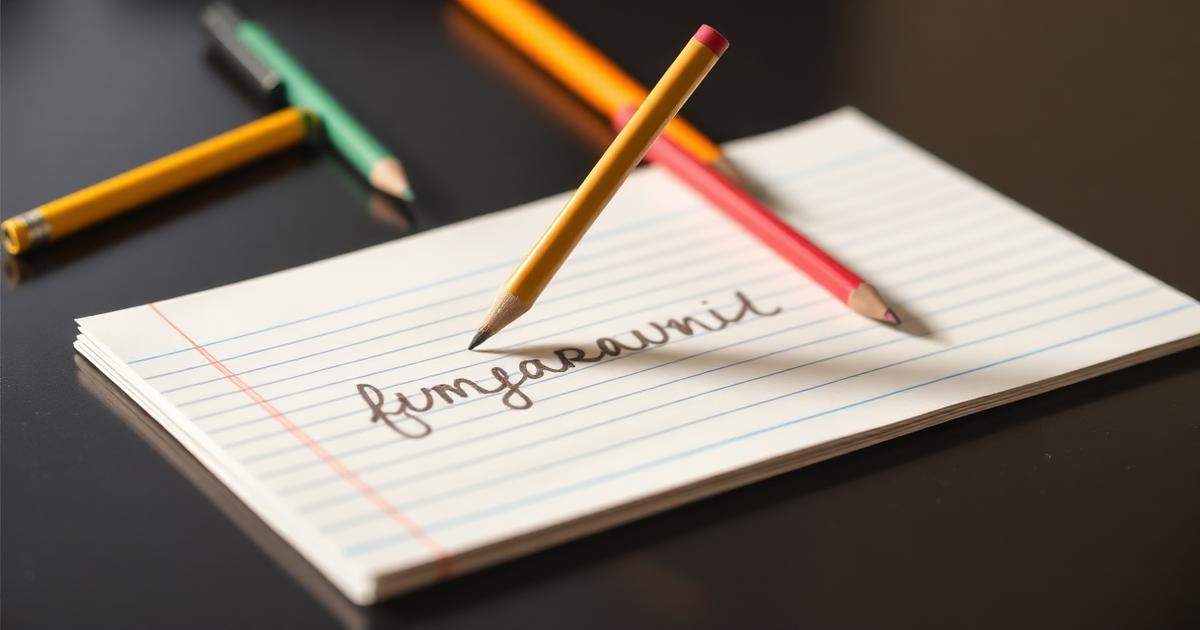
Children write with feeling. Their script changes fast. That makes handwriting a soft window into how a child is coping.
What to look for
- Pressure: very heavy strokes often mean tension. Very light strokes can mean low energy.
- Size changes: letters that swell and shrink suggest mood swings.
- Baseline: a wavy line suggests restlessness. A firm line suggests calm.
- Spacing: crowded words suggest hurry. Very wide gaps suggest shyness.
- Corrections: heavy rubbing out suggests fear of mistakes.
- Capitals: very large capitals suggest a need to be seen.
How to collect a sample
Ask the child to copy four lines they like. Keep it relaxed. Never call it a test. Let them use their normal pencil. Photograph the page in good light.
Reading it kindly
Handwriting is a hint, not a label. Never share the report as a verdict. Use it to open a talk. Ask about school, sleep and friends.
Our Children's Handwriting and Psychology software returns notes on confidence, focus and emotional load. For an older teen, the adult Handwriting Analysis tool fits better.
Add the chart view
A child's chart shows the running period. Cast a free Kundli and check the Dasha in force. Study time can then be planned with a good Muhurat.
Small, steady support works best. Praise effort, not neatness.