
Ashtakavarga Bindus Explained: How to Read Your SAV Scores
1 September 2026
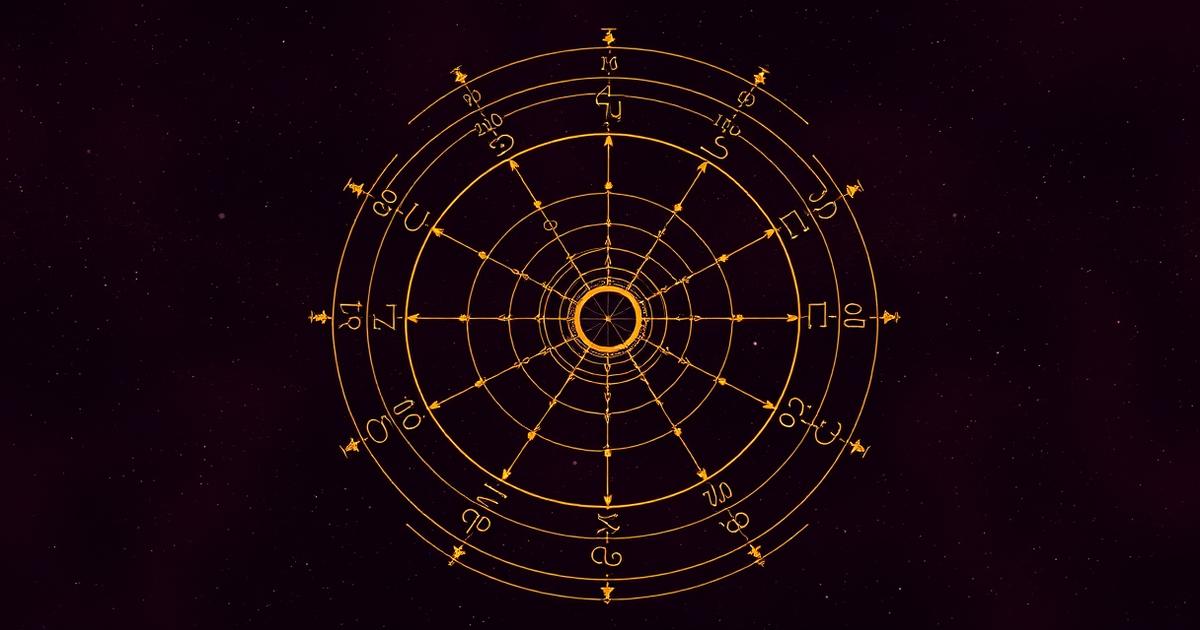
Ashtakavarga turns your chart into scores. Each sign receives points called bindus. High scores show ease. Low scores show effort. The method is old, clear and easy to use.
SAV and BAV
Sarvashtakavarga, or SAV, gives the total score for each sign. The twelve signs share 337 bindus. Bhinnashtakavarga, or BAV, gives the score of one planet across the twelve signs.
How to judge a score
- 30 bindus and above: the house works with support.
- 25 to 29 bindus: an average house. Results come with effort.
- Below 25 bindus: a weak house. Plan carefully and avoid haste.
Compare houses instead of chasing a single number. The strongest houses show where life flows. The weakest houses show where you need patience and remedies.
Kakshya transits
Each sign splits into eight parts called kakshyas. Every kakshya has an owner. When a transiting planet enters a kakshya with a bindu, the period supports you. When the kakshya has no bindu, the period feels flat. This is a practical daily timing tool.
Reading your report
Read the SAV totals first. Then open the BAV of the planet that rules your question. For money look at the second and eleventh houses. For work look at the tenth. For health look at the sixth. Then check the current Kakshya of Saturn and Jupiter.
Get your own scores
Our Ashtakavarga software builds SAV and BAV tables from live sidereal positions. It adds Prastara grids, classical readings, Kakshya transit analysis and a downloadable report. Saved charts rerun with one click.
Pair it with your Kundli, the current transits and the Sade Sati checker.